
This post exercises colophon's rich rendering: a hero banner (above), a preview image (used on the index and social cards), images embedded mid-article, LaTeX maths, styled callouts, a Mermaid diagram, and syntax-highlighted code. Yes.
colophon emits progressive-enhancement HTML: every special block carries its raw source as text, tagged by type. With JavaScript a theme upgrades it (KaTeX, Mermaid, highlight.js); without JavaScript you still get readable text.
Embedded images
Obsidian ![[embed]] attachments are resolved vault-wide and copied next to the page:
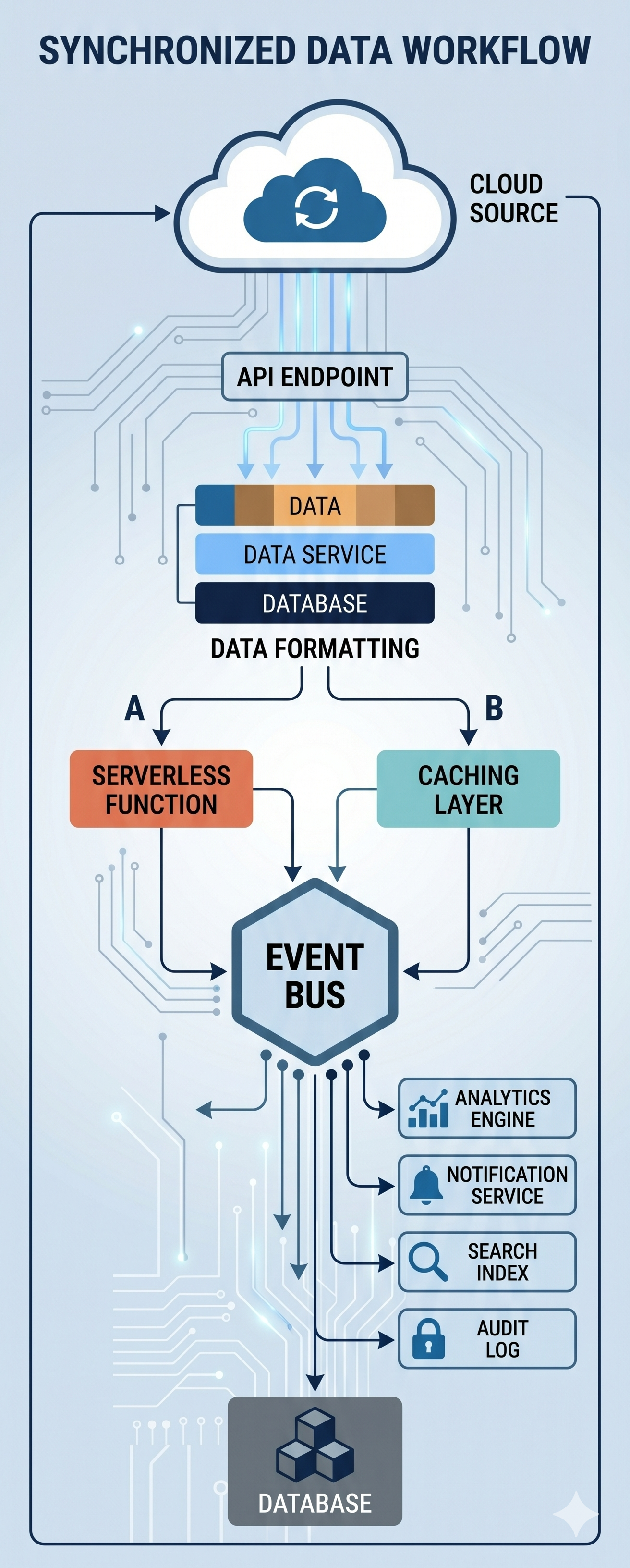
You can also give an embed alt text with a pipe:

Maths
Inline maths like E = mc^2 and a^2 + b^2 = c^2 sit in the flow of a sentence, while display maths stands alone:
(Plain prose with currency such as $5 and $10 is left alone, not treated as maths.)
Maths and diagrams need JavaScript to typeset. The raw $…$ / diagram source is the
graceful fallback when it is absent.
Callouts
Callouts support markdown inside: inline code, links,
and lists:
- one
- two
Diagrams
flowchart LR
    A[Markdown] --> B{colophon}
    B -->|build| C[Static HTML]
    B -->|publish| D[Cloudflare Pages]
Code
package main

import "fmt"

func main() {
    fmt.Println("hello from colophon")
}
colophon build --env preview
colophon serve
Linking across entries
Wikilinks stitch the site together, and they resolve across every source — not just this
vault. This note links straight to the hello-world post (which lives in the
project's content/ folder) and to a second vault note. An unresolved link
like a note that does not exist degrades to plain text rather than a broken link.
The tags in this post's frontmatter (test, showcase) render as links below — each opens
a page listing every post that shares the tag, so readers can move sideways across entries.
That is the full multimedia stack rendered from a single Obsidian note.